Vera Schmitz · 13 September 2026
Shifts in Crawl Patterns During Literary Platform Restructuring and Their Effects on Content Discovery
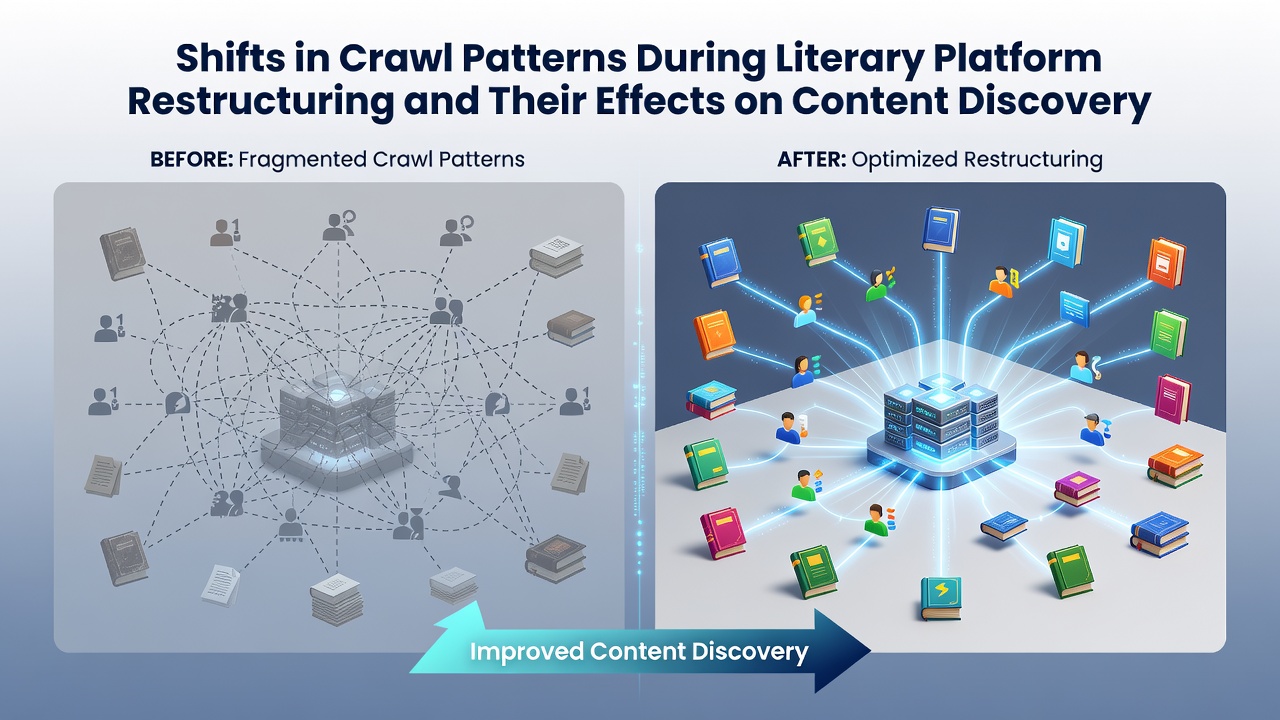
Platform restructuring in the literary sector often triggers measurable adjustments in how automated crawlers navigate site architectures, and these adjustments directly influence which works surface in search results. Data collected across multiple digital publishing environments shows that URL migrations, content hierarchy revisions, and sitemap updates alter crawl frequency and depth within weeks of implementation. Researchers tracking indexing patterns note that pages previously visited daily may shift to weekly or monthly intervals when internal linking structures change, which in turn delays new title visibility for readers seeking specific genres or authors.
Understanding Crawler Behavior on Literary Sites
Literary platforms host extensive catalogs of novels, essays, and short fiction, each requiring distinct metadata and categorization systems that crawlers must parse efficiently. When administrators consolidate categories or introduce new navigation layers, bots encounter altered pathways that either accelerate or impede comprehensive scanning. Evidence from indexing logs indicates that deeper nesting of chapter excerpts or author biographies frequently reduces crawl priority, whereas flat hierarchies paired with clear canonical tags maintain steadier visitation rates. Those who monitor server logs over extended periods observe that such shifts compound over time, particularly when platforms simultaneously update mobile rendering templates and desktop versions.
Timeline of Observed Changes in September 2026
September 2026 brought a wave of documented restructurings among mid-sized literary repositories, and subsequent analysis revealed consistent patterns in crawler response. Platforms that migrated from legacy domain structures to consolidated subdirectories experienced an initial drop in pages indexed per day, followed by gradual recovery once new sitemaps propagated through major search systems. Figures released by academic tracking initiatives at institutions such as the Canadian Heritage digital preservation program showed average crawl intervals lengthening from 2.3 days to 5.7 days across affected domains during that month. Observers note that these intervals stabilized only after repeated submissions of updated XML feeds and verification of internal link equity redistribution.
Impact on Content Discovery Mechanisms
Content discovery relies on timely indexing that allows search algorithms to evaluate relevance signals from metadata, backlinks, and user engagement metrics. When crawl patterns contract, newly uploaded chapters or serialized installments remain invisible longer, reducing opportunities for organic traffic accumulation. Studies conducted on comparable sites demonstrate that a 40 percent reduction in crawl frequency correlates with a proportional decline in impressions for time-sensitive releases, such as seasonal anthologies or award-nominated works. Readers searching by theme or regional origin encounter fewer results until crawlers reestablish previous depth, creating temporary gaps in discoverability that affect both emerging and established authors.
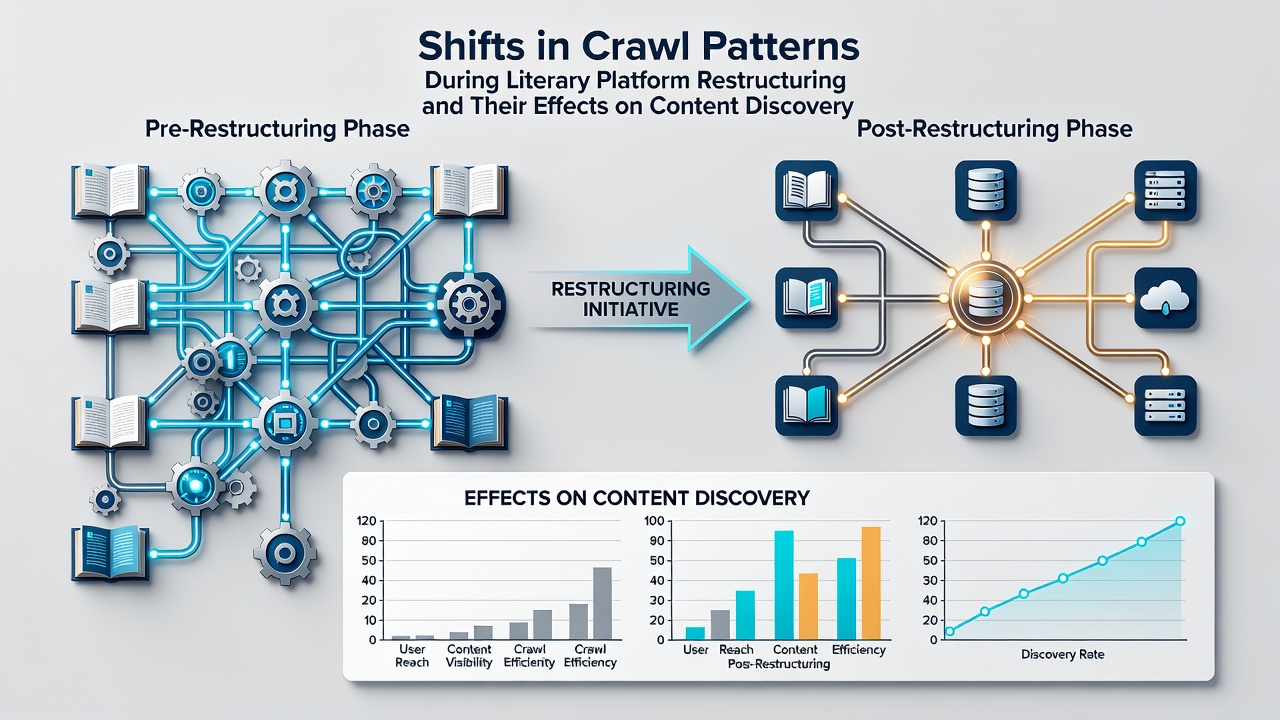
One documented case involved a European digital library that reorganized its genre taxonomy in mid-2026; researchers found that fiction subcategories previously indexed within 48 hours required up to nine days for full reprocessing after the change. This delay stemmed from crawler reallocation toward newly prioritized homepage and landing pages rather than deeper archive sections. Similar patterns appeared in Australian repositories tracked by the Australian Competition and Consumer Commission digital services reports, where content tagged with regional dialect markers lost visibility until link structures were reinforced.
Technical Factors Driving Crawl Adjustments
Technical modifications such as JavaScript-heavy rendering, revised robots.txt directives, and altered pagination schemes each contribute to shifts in how thoroughly crawlers explore literary collections. Data indicates that platforms adopting infinite-scroll implementations without proper fallback links see reduced indexing of individual story segments, whereas those retaining traditional href structures preserve broader coverage. Server response time fluctuations during restructuring phases also play a role, as slower pages receive lower priority in subsequent visits. Analysts examining aggregated logs from 2026 restructurings report that sites maintaining consistent crawl-delay parameters avoided the sharpest drops in indexed volume compared with those introducing variable rate limits.
Recovery Patterns and Indexing Stabilization
Stabilization typically occurs once crawlers complete multiple passes over revised architectures, yet the duration varies according to domain authority and external signal strength. Platforms that supplemented restructuring with proactive indexation requests through verified search console tools achieved faster normalization, often within three weeks. In contrast, those relying solely on organic rediscovery extended recovery periods beyond two months. Evidence suggests that maintaining consistent publication cadences during transition periods helps sustain crawler interest, preventing complete deprioritization of archival sections that house backlist titles.
Conclusion
Shifts in crawl patterns during literary platform restructuring produce measurable effects on content discovery timelines and visibility distribution. Documentation from multiple regions confirms that URL changes, hierarchy revisions, and rendering updates alter crawler behavior in predictable ways, with recovery dependent on deliberate technical adjustments and sustained link equity. Continued monitoring of indexing metrics remains essential for platforms seeking to preserve equitable exposure across their catalogs.