
Devon Lorenz · 27 September 2026
Reader-Driven Plot Evolution Through Live Voting Systems on Mobile Novel Platforms
Reader-driven plot evolution operates through live voting mechanisms embedded in mobile novel applications where participants select narrative branches in real time and the aggregated choices determine subsequent chapters. These systems collect votes via in-app interfaces during scheduled windows and authors or algorithms adjust storylines accordingly while maintaining core character consistency across updates. Data from multiple platforms indicates that such features have expanded since the early 2020s with mobile devices serving as the primary access point for over 70 percent of interactive fiction readers according to industry usage patterns.
Mechanics of Live Voting Integration
Platforms implement voting through timed polls that appear at decision points in the text and users submit selections via simple taps or swipes before deadlines close. Results feed directly into content pipelines so the winning option becomes the published continuation within hours or days and backend servers track participation rates to refine future prompts. Engineers design these flows to handle thousands of simultaneous inputs without lag and encryption protocols protect individual vote anonymity while allowing aggregate analytics for creators. In September 2026 several platforms introduced enhanced synchronization that lets global audiences participate in synchronized sessions across time zones and this update coincided with improved latency reductions reported in technical documentation.
Reader Engagement Patterns and Platform Data
Participation metrics reveal consistent spikes during peak voting periods with evening hours in major markets showing the highest activity levels. Studies conducted by research teams at the University of Melbourne found that readers who engage in multiple voting rounds demonstrate longer session durations compared to those who read linear stories alone. Platforms report that vote completion rates often exceed 85 percent when prompts include visual teasers or character backstories and these figures come from internal dashboards shared in developer conferences. But here's the thing: retention improves when voters receive notifications about how their choices influenced later events which encourages repeat logins.
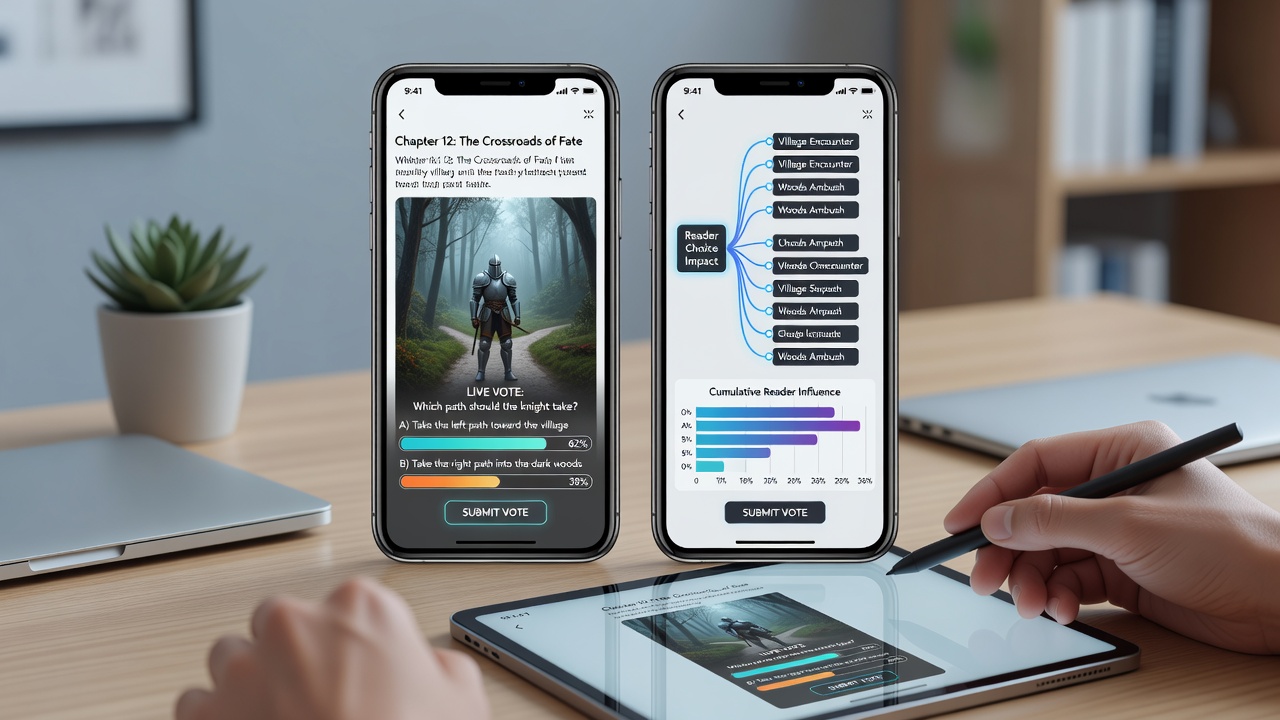
One documented case involved a serialized mystery series where readers voted on suspect identities and the outcome shifted the final confrontation scene entirely. Observers note that such flexibility requires authors to prepare multiple scene variants in advance and this preparation adds production time yet yields higher completion rates for full arcs. Government reports from the Canadian Radio-television and Telecommunications Commission highlight digital content consumption trends that align with increased interactive features on mobile devices.
Technical Infrastructure and Algorithmic Support
Backend systems rely on distributed databases that tally votes in real time and trigger content deployment scripts once thresholds are met. Machine learning models sometimes assist by predicting vote distributions based on early inputs which helps authors allocate writing resources efficiently. Developers integrate these tools with existing publishing workflows so updates push seamlessly to user devices without requiring manual refreshes. A report issued by the European Commission's digital media research division examined similar interactive systems and documented their role in supporting diverse content formats across European Union member states. Those who've studied platform logs discover that redundancy measures prevent single points of failure during high-traffic voting events.
Author Workflows and Content Adaptation
Creators adapt by outlining multiple branches that converge at key milestones and they monitor live dashboards to gauge reader sentiment before committing to detailed scenes. This approach allows adjustments based on collective preferences while preserving thematic coherence throughout the narrative. Industry associations such as the Interactive Digital Media Association have published guidelines on maintaining narrative integrity under reader influence and these documents emphasize pre-planning contingency paths. People often find that collaboration between writers and data analysts streamlines the process and reduces revision cycles after initial publication.
Conclusion
Live voting systems continue to shape how mobile novel platforms deliver evolving stories by turning audience input into direct narrative drivers. Technical advancements and engagement data support ongoing refinements while geographic reports from varied regulatory bodies confirm broader adoption trends. The structure enables dynamic content without sacrificing production standards and September 2026 updates further illustrate the integration of global participation tools. This model persists as platforms refine synchronization and analytics capabilities.